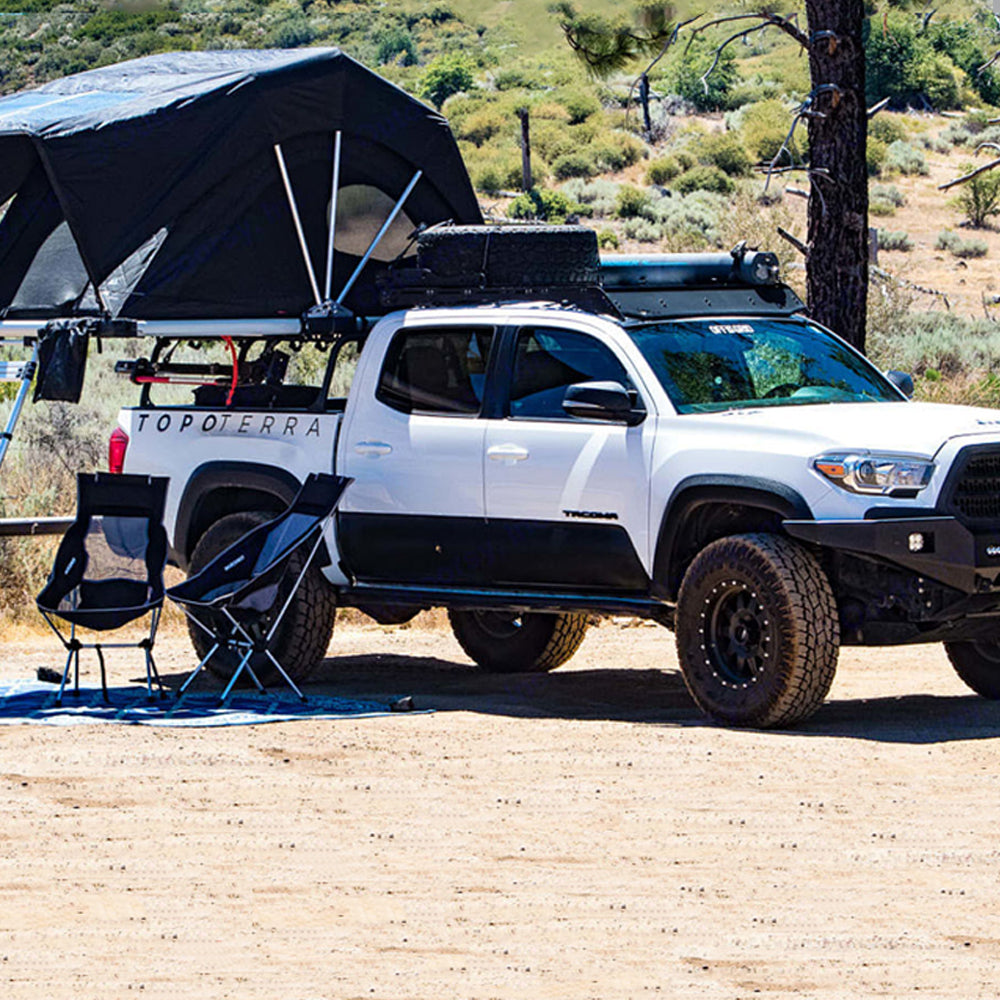


How to Reduce Stone Chips and Front-End Damage on Australian Roads
Stone chips and front-end damage are part of driving in Australia. Even brand-new vehicles can start showing wear after just a few months on highways, regional roads, and around roadworks. Loose gravel, heavy trucks, and long-distance driving all add up quickly, and once paint is chipped or a headlight is cracked, repairs can be costly.
The good news is you can’t eliminate stone chips completely, but you can reduce how much damage your vehicle takes. This guide explains where damage usually occurs, why Australian roads are so harsh, and the most practical ways to protect your front end.
Where Stone Chips and Front-End Damage Usually Occur
Most damage isn’t random. It tends to show up in the same areas again and again.
The leading edge of the bonnet is one of the first places to chip because it sits directly in the line of fire. Headlights are another weak point, especially modern polycarbonate lenses that pit and crack easily. The front bumper and grille also take constant hits, while mirrors and A-pillars often get chipped by stones flicked up at speed. Even the lower section of the windscreen cops debris, particularly on highways and unsealed roads.
Once damage starts in these areas, it tends to spread over time.
Why Australian Roads Are So Tough on Vehicles
Australian driving conditions are particularly unforgiving compared to many other countries.
Loose gravel is common even on sealed roads, especially near shoulders and rural highways. Roadworks often leave temporary surfaces that throw up stones for kilometres. Long-distance driving at highway speeds increases impact force dramatically. Trucks, trailers, and caravans flick up debris that hits following vehicles with surprising force. Regional and rural areas also tend to have rougher surfaces and less frequent maintenance.
All of this means front-end wear builds up faster than many drivers expect.
Most Effective Ways to Reduce Stone Chips
Bonnet Protectors
A bonnet protector is one of the simplest and most effective ways to reduce stone chips. It shields the leading edge of the bonnet, which is the most exposed area, and helps deflect stones, bugs, and debris upward and away from the paint.
For drivers who do a lot of highway or regional driving, a quality bonnet protector often makes a noticeable difference within weeks.
Headlight Covers
Headlights are expensive to replace and surprisingly easy to damage. Small stones can cause cracks or pitting, and UV exposure slowly clouds the lens over time.
Adding headlight covers creates a sacrificial layer that absorbs impacts and slows UV damage. If a cover gets damaged, it’s far cheaper to replace than a full headlight assembly.
Nudge Bars and Bull Bars
Front bars help protect the bumper, grille, and lower front end from debris and minor impacts. A nudge bar suits city and highway drivers who want light protection, while a bull bar offers more coverage for regional, rural, and off-road conditions.
Bars can also help deflect stones downward or outward rather than letting them hit vulnerable panels directly.
Fender Flares
Fender flares play a big role in reducing stone spray along the sides of the vehicle. Wider tyres tend to throw debris outward, which chips doors, sills, and rear panels.
By extending the guard line, fender flares help contain that spray and keep more debris away from the body, especially on gravel roads and worksites.
Driving Habits That Help Reduce Damage
Accessories do a lot of the heavy lifting, but driving habits still matter.
Keeping a safe distance behind trucks and trailers reduces how many stones reach your vehicle. Slowing slightly through roadworks or loose gravel sections can dramatically reduce impact force. Avoiding driving right next to gravel shoulders when possible also helps. It’s worth remembering that speed multiplies damage, even from small stones.
These small adjustments won’t eliminate chips, but they do reduce how often they happen.
Protection Accessories vs No Protection
With Front-End Protection
Vehicles with front-end protection tend to show less visible wear over time. Paint stays intact longer, headlights remain clearer, and repair or detailing costs are lower. The vehicle also tends to hold its appearance better, which helps with resale value.
Without Front-End Protection
Unprotected vehicles often develop chipped paint on the bonnet edge, pitted headlights, and scratched bumpers much sooner. Over time, this leads to higher repair costs and more noticeable cosmetic wear.
For many drivers, the cost of basic protection accessories is far lower than the cost of fixing accumulated damage.
Choosing the Right Protection for Your Driving Style
City and Highway Drivers
If most of your driving is on sealed roads, bonnet protectors and headlight covers offer the best return. They address the most common damage points without changing how the vehicle drives.
Regional and Rural Drivers
Drivers outside metro areas often benefit from adding bars and fender flares. Gravel, wildlife, and rougher roads increase the risk of front-end damage, so extra coverage makes sense.
4x4 and Touring Drivers
Touring setups usually benefit from a layered approach. Bonnet protectors, headlight covers, bars, and flares work together to reduce damage across different conditions, from highways to dirt tracks.
Work Vehicles
Tradies and fleet vehicles see constant use in harsh environments. Prioritising durable, cost-effective protection helps keep vehicles presentable and reduces downtime caused by repairs.
What to Look For in Quality Protection Accessories
Regardless of the accessory type, quality matters.
Look for vehicle-specific fitment so parts sit properly and don’t rattle or shift. Materials should be impact-resistant and UV-stable to handle Australian sun and heat. Secure mounting designs help ensure accessories stay effective at highway speeds. Compatibility with modern vehicles and safety systems is also important, especially for newer models.
Choosing well-made accessories upfront avoids problems later.
Why Choose Tradies Choice for Front-End Protection
Tradies Choice focuses on practical protection that works in real Australian conditions. Our range covers popular makes like Toyota, Ford, Isuzu, Mitsubishi, GWM, LDV, and more, making it easier to build a protection setup that suits your vehicle and how you drive.
You also get:
-
Competitive pricing without the run-around
-
Accessories selected for durability and real-world use
-
Options to build layered front-end protection
-
Straightforward advice from two dedicated reps
The goal is simple - reduce damage, reduce hassle, and keep your vehicle looking better for longer.
Quick Summary
Stone chips and front-end damage are unavoidable on Australian roads, but the level of damage isn’t. Bonnet protectors, headlight covers, bars, and fender flares all play a role in reducing wear, especially when matched to your driving conditions.
By combining the right accessories with sensible driving habits, you can significantly slow down damage, lower repair costs, and protect your vehicle’s appearance over the long term.