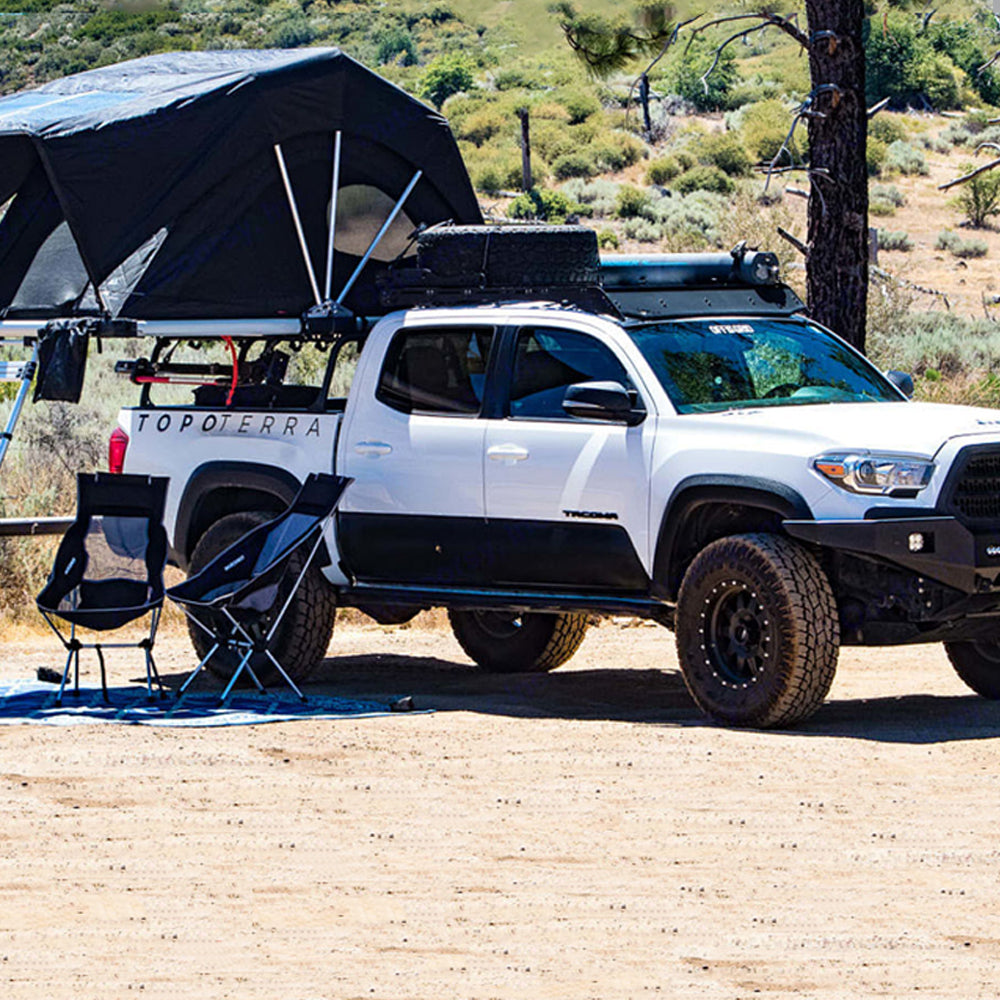


How to Set Up a Ute for Work - The Accessories That Actually Make a Difference
A ute is one of the most practical work vehicles you can own, but straight out of the dealership it's basically a blank canvas. What you add to it - and more importantly, what you choose not to add - makes a big difference to how well it actually works for your specific job.
The problem is that there's no shortage of accessories to spend money on, and not all of them are going to earn their place on your vehicle. The right setup depends on what you do, where you work, and how hard your ute actually gets used. This article is about helping you figure that out rather than just running through a list of everything you could possibly buy.
Start with how you actually use your ute
Before you buy anything, it's worth being honest about what your ute actually does day to day. A concreter's setup is going to look different to an electrician's, which is going to look different again to a plumber's or a landscaper's.
A few questions worth thinking through: Do you carry tools and equipment that need to be organised and secure, or do you mostly throw materials in the back and go? Are you driving on sealed roads between jobs, or are you regularly on gravel, dirt, or rough site access tracks? Do you work alone or do you have crew in the vehicle with you? Do you start early or finish late when it's dark?
Your answers to those questions should drive most of your accessory decisions. The tradies who end up with the most useful setups are usually the ones who added things that solved a specific problem, not the ones who bought everything at once because it looked good.
Tray and load area - protecting and organising what you carry
The tray is where most of the work happens, so it makes sense to sort this out first.
If you carry tools and equipment regularly and need them to be secure, organised and protected from the weather, a canopy is usually the right starting point. The ability to lock your gear away properly overnight, organise it with internal shelving, and keep it dry regardless of conditions makes a real difference when your tools are how you make your living. If you haven't read through the full canopy vs lid breakdown, that comparison covers the decision in detail.
If your tray use is more about carrying materials - timber, pipe, aggregate, landscaping supplies - rather than storing tools, a lid or roller shutter might make more sense. A roller shutter in particular gives you quick access from the rear and reasonable security without the full enclosed structure of a canopy. For tradies who are constantly loading and unloading throughout the day, that fast access matters.
The one thing worth doing before anything else is thinking about how often you get into the tray and from which direction. It sounds basic, but a setup that works against your workflow is going to frustrate you every single day.
Front-end protection - working in environments where it matters
Not every tradie needs front-end protection, but if your work takes you anywhere near gravel roads, construction sites, rural properties or regional highways, it's worth thinking about seriously.
A bull bar is the obvious choice if you're doing genuine rural or remote driving, regularly travelling on unsealed roads, or working in areas where animal strike is a real risk. It's not just about protecting the vehicle from a hit - it also gives you a solid mounting point for lights, winches and antennas, and it changes how the vehicle handles low-speed impacts with debris and scrub.
If your work keeps you mostly on sealed roads with occasional gravel and you want some front-end protection without the full commitment of a bull bar, a nudge bar is worth considering. It protects the lower front end and gives you light mounting options without adding the weight and presence of a full bar.
A bonnet protector is a simple addition that does a specific job well - deflecting stone chips and road debris away from the leading edge of the bonnet. For tradies who spend a lot of time on gravel or following other vehicles on dusty roads, the stone chip protection alone makes it worth having.
Getting in and out - side steps for high-use vehicles
This one gets overlooked a lot, but if you're getting in and out of a lifted or standard-height ute fifteen or twenty times a day across different sites, the physical effort adds up.
Side steps make the most difference on lifted vehicles or utes with larger tyres, where the step up into the cab is genuinely significant. For tradies who are moving between the vehicle and worksites constantly, they reduce the wear on your knees and hips in a way that becomes more noticeable over time.
The side steps with brush bars also add a layer of protection along the lower body panels, which matters if you're regularly driving through scrub, working on sites with a lot of rock and gravel, or parking in places where other vehicles or equipment could catch the side of your ute.
If your vehicle sits at standard ride height and you're doing mostly road driving, side steps are less essential. But for a lifted work 4x4 that's in constant use, they're one of those things you stop noticing quickly - in a good way.
Overhead carrying - when a roof rack earns its place
For tradies who carry long materials - ladders, conduit, pipe, timber lengths - a roof rack is often non-negotiable. It frees up the tray for other gear and gives you a secure way to transport things that don't fit inside the vehicle or canopy.
Builders, electricians, plumbers and carpenters are the obvious candidates here. If you're regularly loading and unloading long items throughout the day, a roof rack with the right load bar setup makes that process faster and safer than trying to manage it all in the tray.
The key is matching the rack to how you actually load and unload. If you're working alone and loading heavy items overhead regularly, think carefully about the rack height and whether the mounting position works for you in practice. A rack that looks right but is awkward to use on your own every day is going to become a problem quickly. The roof rack buying guide covers the main considerations in detail if you want to go deeper on that decision.
Visibility and lighting - after-dark and early morning work
Early starts and late finishes are part of the job for a lot of tradies, and if you're regularly driving before dawn or after dark - especially on unlit rural roads or site access tracks - decent auxiliary lighting makes a real difference.
Driving lights are the more practical choice for tradies who are mostly on roads, giving you extra range and visibility at speed without the legality complications of a roof-mounted light bar. If you're also doing off-road or site work in the dark, a light bar adds the wide area coverage that driving lights don't provide. The LED light bar vs driving lights article covers the differences in detail if you're not sure which direction suits you.
On the protection side, headlight covers are worth adding if you're regularly on gravel or working in conditions where stone chips and debris are common. Your headlights are expensive to replace and surprisingly easy to damage on rough roads - a set of covers is a low-cost way to protect them.
Build your setup around your work, not around a list
The mistake a lot of people make is trying to tick every box at once. The result is a ute that's loaded up with accessories, some of which are genuinely useful and some of which just add weight and cost without doing much for how you actually work.
A more useful approach is to rank your problems. What's actually making your day harder right now? Is it unsecured gear getting damaged or stolen? Is it stone chips and front-end wear from gravel roads? Is it struggling to get in and out of the vehicle twenty times a day? Is it not being able to see properly on your early morning drive to site?
Start with the problem that costs you the most - in time, money or physical wear - and work from there. A well-thought-out ute setup built around your actual work is going to serve you better than a full kit bought all at once without a clear reason for each piece.
The other thing worth saying is that your setup will probably evolve. A lot of experienced tradies end up with a ute that looks quite different to what they started with, because they learned through use what actually mattered for their specific work. That's normal. Getting the fundamentals right early - tray setup, front-end protection if you need it, lighting if you work in the dark - gives you a solid base to build on without overcommitting upfront.