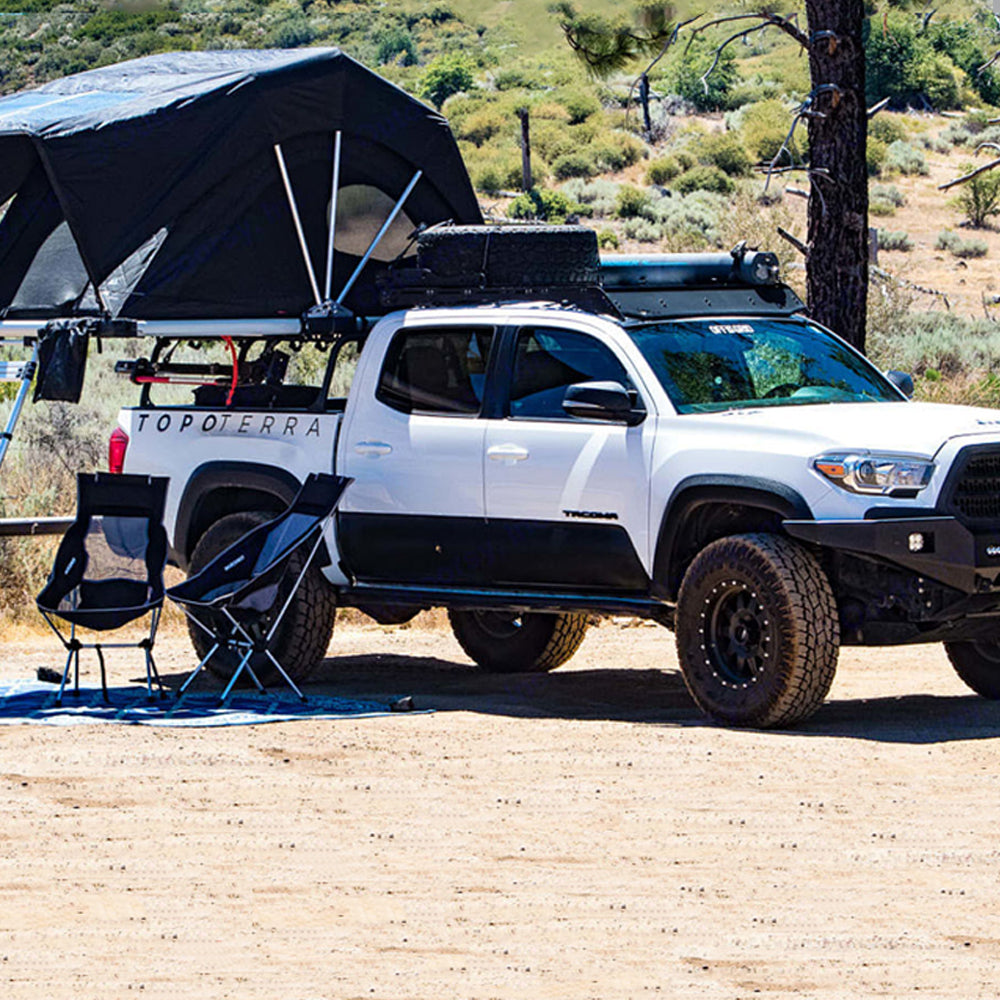


How to Choose the Right Roof Rack for Work, Touring and Everyday Use
A roof rack is one of the most versatile accessories you can add to a ute or SUV. It frees up interior space, lets you carry bulky gear safely, and adapts to everything from weekday work to weekend trips. But not all roof racks are the same, and choosing the wrong setup can lead to noise, handling issues, or load problems.
This guide breaks down the different types of roof racks, what to look for, and how to choose the right one based on how you actually use your vehicle.
What a Roof Rack Is and What It’s Used For
A roof rack is a mounted system that allows you to carry items on the roof of your vehicle. Depending on the setup, roof racks can carry tools, ladders, pipes, camping gear, swags, rooftop tents, bikes, kayaks, storage boxes, and more.
Some drivers use roof racks occasionally for trips or jobs, while others rely on them daily for work. Understanding how often you’ll use your roof rack and what you’ll carry is the first step in choosing the right type.
Types of Roof Rack Systems
Cross Bars
Cross bars are the simplest roof rack setup. They usually consist of two bars running across the roof and are ideal for lighter loads or occasional use.
They suit drivers who:
-
Carry bikes, boards, or small storage boxes
-
Use roof racks only on weekends or trips
-
Want a low-profile setup that’s easy to live with
Cross bars are lighter and often quieter than larger systems, but they have limited load capacity and mounting flexibility.
Platform-Style Roof Racks
Platform racks use a flat tray design that sits across the roof. They provide a large surface area and multiple mounting points, making them popular for touring and camping setups.
They’re well suited to:
-
Swags and rooftop tents
-
Recovery gear and jerry cans
-
Storage boxes and camping equipment
-
Long trips where flexibility matters
Platform racks are more versatile than cross bars but are heavier and can create more wind resistance.
Trade Roof Racks
Trade roof racks are designed for daily work use. They’re built to carry ladders, pipes, timber, and long materials securely and repeatedly.
They suit:
-
Tradies who use roof racks every day
-
Vehicles carrying long or heavy items
-
Work utes that need strength over appearance
Trade racks prioritise load capacity and durability over looks or aerodynamics.
Key Factors to Consider When Choosing a Roof Rack
Load Rating
One of the most important things to check is load rating. Roof racks have two types of limits:
-
Dynamic load - how much weight the roof can carry while driving
-
Static load - how much weight it can hold when stationary
Dynamic load is what matters most for everyday use. Overloading a roof rack can affect handling, braking, and safety, so always stay within the vehicle and rack limits.
Vehicle Compatibility
Not all roof racks fit all vehicles. Roof design, mounting points, and roof strength vary between models. Popular vehicles like Toyota, Ford, Isuzu, Mitsubishi, GWM, and LDV all have different roof configurations.
A roof rack designed specifically for your vehicle will sit better, load more evenly, and reduce noise or movement.
Driving Style
How and where you drive plays a big role in choosing the right rack.
-
City driving benefits from lighter, quieter setups
-
Highway driving needs aerodynamic designs to reduce wind noise
-
Off-road driving requires strong mounting and stability
If you spend a lot of time on highways or long trips, wind resistance becomes more noticeable. Larger racks can create extra noise and slightly affect fuel consumption.
Future Use
Think beyond what you carry today. If you plan to start touring, camping, or changing how you use your vehicle, it’s often better to choose a rack that allows upgrades later.
A flexible roof rack saves money long-term by adapting to changing needs.
Roof Racks for Different Use Cases
For Tradies
Tradies often rely on roof racks daily. Strength, reliability, and load capacity matter more than appearance.
A good trade-focused rack:
-
Carries ladders and long materials securely
-
Handles daily loading and unloading
-
Stays stable on rough roads and job sites
For work vehicles, durability and safety come first.
For Touring and Camping
Touring setups usually need flexibility. Campers carry different gear depending on the trip, so mounting options are important.
A touring-friendly roof rack should:
-
Support swags or rooftop tents
-
Provide tie-down points for various gear
-
Stay stable on corrugated roads
Platform racks are popular here because they adapt easily to different loads.
For Families and Lifestyle Drivers
Families and lifestyle drivers often use roof racks for bikes, kayaks, boards, or storage boxes.
Key priorities include:
-
Ease of use
-
Safety and load stability
-
Minimal wind noise
A lighter system that’s easy to live with is usually the best choice.
Roof Racks vs No Roof Rack
With a Roof Rack
-
More cargo capacity
-
Frees up interior space
-
Safer transport for bulky items
-
More flexibility for work and trips
Without a Roof Rack
-
Limited space for large items
-
Overloading the cabin or boot
-
Less flexibility for future needs
-
More compromises on longer trips
Once you start using a roof rack, it’s hard to go back.
What to Look For in a Quality Roof Rack
Material Quality
Most roof racks are made from aluminium or steel.
-
Aluminium is lighter and resists corrosion well
-
Steel is stronger but heavier
For many drivers, aluminium offers the best balance between strength and weight.
Aerodynamic Design
Wind noise is one of the most common complaints about roof racks. Well-designed racks use streamlined shapes and wind deflectors to reduce noise and drag.
Poor designs can whistle loudly at highway speeds and become frustrating over time.
Mounting and Tie-Down Options
A good roof rack should offer multiple secure tie-down points. This makes it easier to carry different types of loads safely without improvising.
The more flexible the mounting system, the easier it is to adapt your setup.
Finish and Durability
Australian conditions are tough. Heat, UV, rain, and coastal air all take a toll on accessories. A quality finish helps prevent corrosion, fading, and surface wear.
Powder-coated and anodised finishes generally hold up better long-term.
Legal and Safety Considerations
When using a roof rack, always keep these points in mind:
-
Stay within the vehicle’s roof load limits
-
Secure all loads properly
-
Be aware of added vehicle height
-
Avoid overhanging loads that affect visibility or safety
Roof racks change how a vehicle handles, especially in corners and crosswinds, so sensible loading is essential.
Why Choose a Roof Rack from Tradies Choice
Tradies Choice focuses on practical accessories built for real Australian conditions. Our roof rack options are selected to balance strength, usability, and value, whether you’re using them for work, touring, or everyday driving.
You also benefit from:
-
Competitive pricing without the run-around
-
Options suited to popular vehicles across Australia
-
Practical designs that make sense for real use
-
Support from two dedicated reps who provide straight answers
Choosing the right roof rack should be simple, and that’s exactly how we approach it.
Quick Summary
A roof rack adds serious flexibility to your vehicle, whether you’re carrying tools, camping gear, or lifestyle equipment. The key is choosing the right type based on how often you use it, what you carry, and how you drive.
-
Cross bars suit light, occasional use
-
Platform racks suit touring and camping
-
Trade racks suit daily work use
With the right setup, a roof rack becomes one of the most useful accessories you can own.