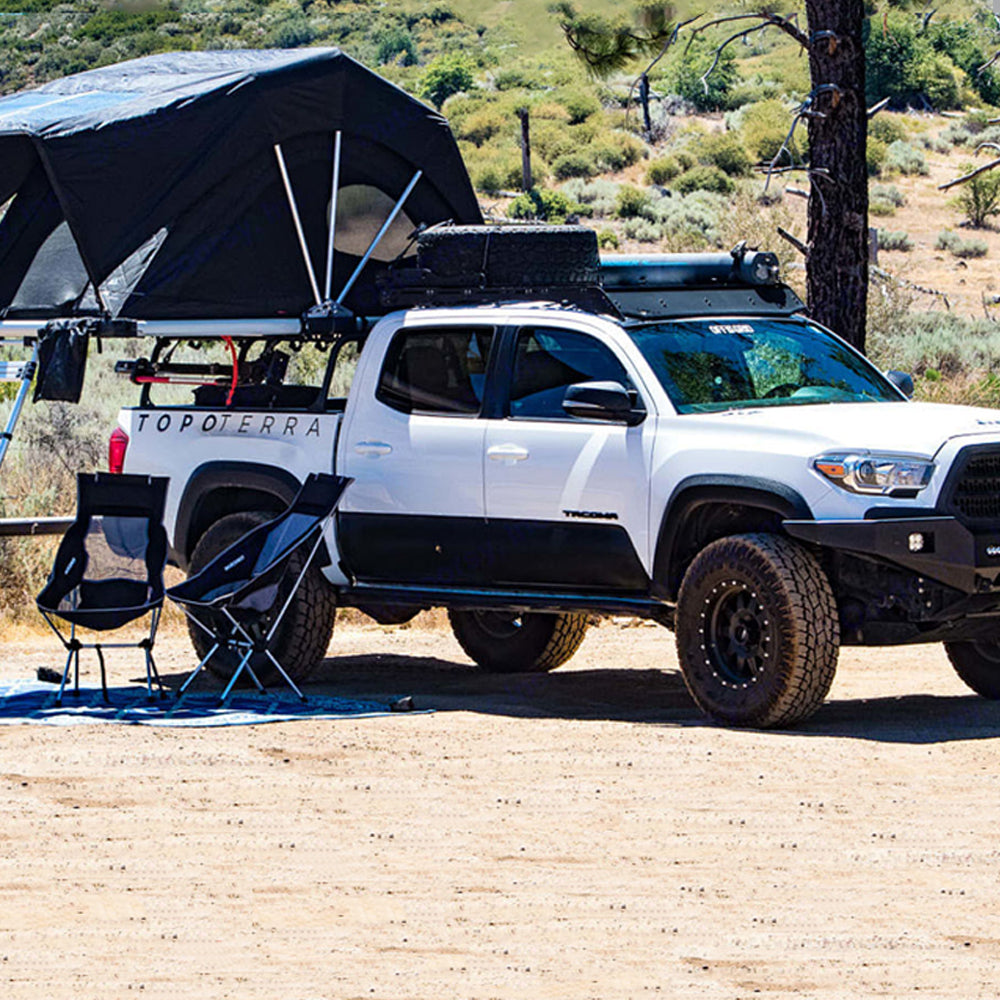


Do You Really Need a Winch? When It Makes Sense and When It Doesn’t
Winches are one of the most talked-about 4x4 accessories, and also one of the most misunderstood. For some drivers, a winch is an essential recovery tool. For others, it adds weight, cost, and complexity without ever being used. The challenge is knowing which group you fall into.
This article cuts through the hype and looks at when a winch genuinely makes sense, when it probably doesn’t, and what to consider before committing to one. The goal is simple: help you choose what’s right for how you actually drive.
What a Winch Is and What It’s Designed For
A winch is a vehicle-mounted recovery device designed to pull a vehicle out of difficult situations when traction is lost. It’s commonly used for self-recovery when there’s no easy way forward or backward, or to assist other vehicles in controlled recovery situations.
Winches are not performance upgrades. They don’t make a vehicle more capable in normal driving. Their value lies in recovery, safety, and self-reliance when things don’t go to plan.
Situations Where a Winch Makes Sense
Solo Off-Road Driving
If you regularly drive alone in remote areas, a winch can be one of the most valuable tools you carry. When there’s no second vehicle to assist, self-recovery becomes critical. In these situations, a winch offers a controlled way to get moving again without relying on chance or waiting for help.
Regular Off-Road and Touring Use
Drivers who spend a lot of time on off-road tracks, in mud, sand, or uneven terrain are more likely to encounter situations where traction simply runs out. A winch provides an extra layer of security when recovery tracks or other methods aren’t enough.
For long-distance touring, especially in less-travelled areas, that added security can make a big difference.
Work and Rural Vehicles
On farms, properties, and worksites, winches are often used for more than just vehicle recovery. They can help move equipment, recover trailers, or assist in awkward situations where manual effort isn’t practical.
For vehicles that work in muddy paddocks, uneven ground, or remote areas, a winch can be a practical tool rather than an occasional backup.
Vehicles Running Heavier Setups
Vehicles carrying extra weight are more prone to getting bogged. Added accessories, tools, or touring gear increase the chances of losing traction, particularly in soft ground. In these cases, a winch can provide peace of mind when conditions turn against you.
Situations Where a Winch May Not Be Necessary
Despite their benefits, winches are not essential for everyone.
If most of your driving is city or highway-based, a winch is unlikely to see any real use. For drivers who only do light off-road driving occasionally, especially when travelling with others, alternative recovery methods are often enough.
Group travel reduces the need for self-recovery tools, as vehicles can assist each other. In these situations, the added weight and cost of a winch may outweigh its benefits.
Winch vs No Winch
With a Winch
-
Greater self-recovery capability
-
Reduced reliance on other vehicles
-
More confidence in difficult or remote conditions
-
Useful for work and rural environments
Without a Winch
-
Lighter front end
-
Simpler setup
-
Lower upfront cost
-
Recovery relies on tracks, straps, or assistance
Neither option is right or wrong. The right choice depends on where you drive, how often you leave sealed roads, and whether you travel alone or with others.
Important Considerations Before Choosing a Winch
Vehicle Compatibility
Not every vehicle setup supports a winch. Winches are typically paired with winch-capable front-end protection, and not all bars are designed for that purpose. Some bull bars are built to support winches, while others are not, so compatibility matters.
If you’re considering a winch, it’s important to ensure your front-end setup is designed to handle the additional load and recovery forces.
Winch Capacity
Winches are rated by pulling capacity. Choosing the right capacity means matching the winch to your vehicle’s weight and how it’s used. Bigger ratings aren’t always better, as larger winches add weight and complexity that may never be needed.
The key is choosing a capacity that suits real recovery scenarios, not worst-case marketing claims.
Cable Type
Winches typically use either steel cable or synthetic rope. Each has its own characteristics in terms of weight, handling, and durability. The right choice depends on how often the winch will be used and the environments it will operate in.
Frequency of Use
Be honest about how often you’ll actually use a winch. For some drivers, it’s a tool used regularly. For others, it’s emergency-only equipment that may never be called upon. Understanding this helps determine whether the investment makes sense.
Winches and Front-End Protection
Winches don’t exist in isolation. They’re closely tied to front-end protection choices.
A bull bar offers broader front-end coverage and, in some designs, the ability to support a winch. This combination is common on vehicles used for off-road, touring, or rural work.
For drivers who don’t need winch capability, a nudge bar may provide enough protection without the added weight or complexity. The key is choosing a setup that matches how the vehicle is actually used.
Safety and Responsibility
Winches are powerful recovery tools and should be treated with respect. They are not designed for quick or aggressive recoveries. Safe, controlled use is essential, and understanding the limits of both the winch and the vehicle matters more than raw pulling power.
A winch should be seen as a recovery solution of last resort, not a licence to push further into risky situations.
Are Winches Worth It? By Driver Type
Serious Off-Roaders
Often worthwhile, especially for solo or remote travel.
Tourers
Situational value, depending on routes, terrain, and travel style.
Tradies and Rural Workers
High practical value for both recovery and work-related tasks.
City Drivers
Rarely necessary and often unused.
Why Choose Tradies Choice for Winch-Compatible Setups
Tradies Choice focuses on practical advice rather than pushing unnecessary gear. The aim is to help customers choose what genuinely suits their driving, not upsell for the sake of it.
You benefit from:
-
Straightforward advice without pressure
-
Winch-compatible front-end options where appropriate
-
Competitive pricing
-
A focus on real-world use cases
-
Support from two dedicated reps who give clear answers
If a winch makes sense for your setup, it should be chosen for the right reasons.
Quick Summary
Winches are valuable tools when used in the right situations. They make sense for solo off-road driving, regular touring, rural work, and heavier vehicle setups. For mainly city or highway driving, they’re often unnecessary.
The best approach is honest assessment. Choose a winch if it genuinely adds safety and capability to how you drive. Skip it if it doesn’t. Either way, the right decision is the one that matches real conditions, not assumptions.