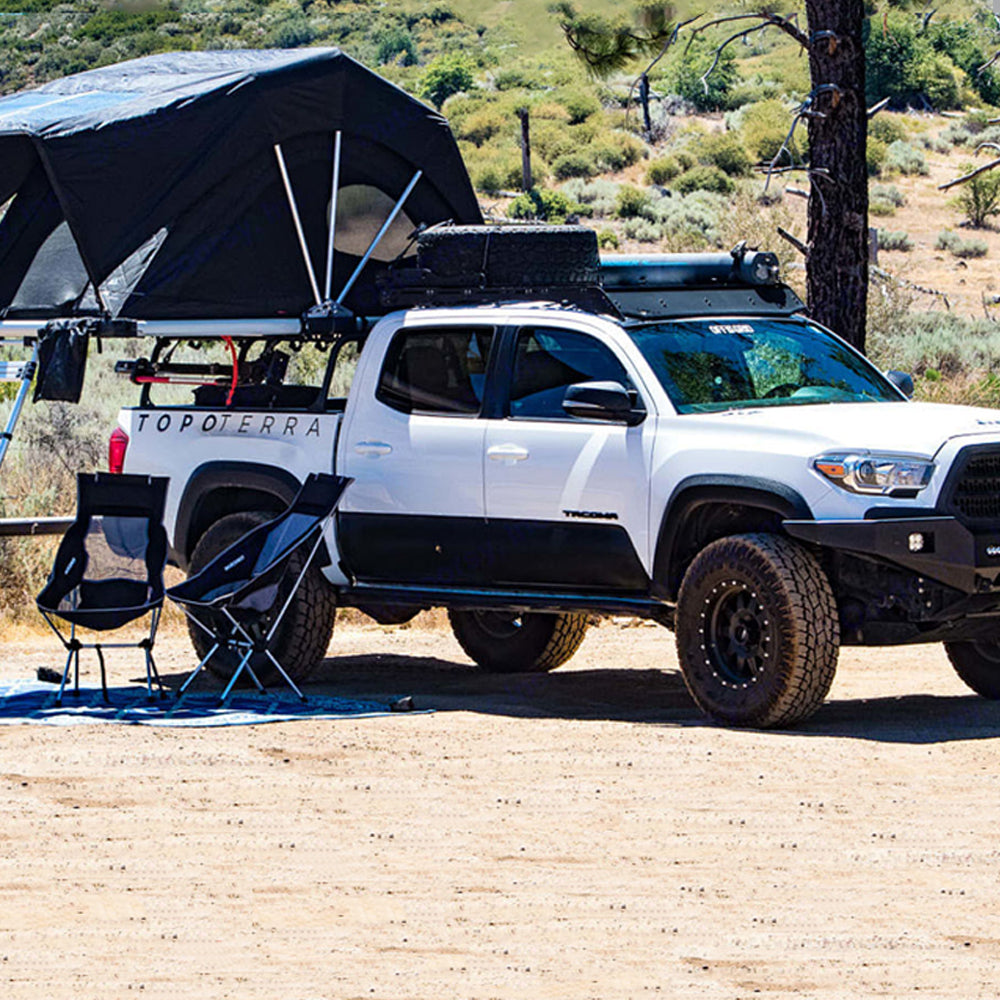


Bull Bars and Vehicle Safety - What They Protect, What They Don’t, and Common Misconceptions
Bull bars are one of the most common front-end accessories on Australian utes and 4x4s, and also one of the most misunderstood. Some drivers see them as essential safety gear, while others assume they make a vehicle indestructible. The reality sits somewhere in the middle.
Bull bars can add real safety value in the right conditions, but only when expectations are realistic. This guide explains what bull bars actually protect, where their limits are, and how to decide if one suits how you drive.
What a Bull Bar Is Designed to Protect
A bull bar is primarily designed to protect the front end of a vehicle. Its role is to absorb and distribute impact forces away from vulnerable components, reducing damage in certain scenarios.
A quality bull bar helps protect:
-
The front bumper and grille
-
The radiator and cooling components
-
Headlights and lower front panels
-
Key structural areas at the front of the vehicle
By taking the initial impact, a bull bar can help prevent damage that would otherwise immobilise a vehicle, especially in remote or rural areas.
Situations Where Bull Bars Add Real Safety Value
Regional and Rural Driving
In regional and rural Australia, animal strikes are a genuine risk. Kangaroos, livestock, and wildlife often appear with little warning, particularly at dawn and dusk.
In these environments, a bull bar can reduce damage from lower-speed animal strikes and help protect the radiator and engine bay, allowing the vehicle to remain driveable rather than stranded.
Off-Road and Touring Conditions
Off-road tracks expose vehicles to scrub, branches, uneven terrain, and hidden obstacles. Bull bars help shield the front end from constant knocks and impacts that would otherwise damage panels, lights, or cooling components.
For touring drivers covering long distances, this protection adds reliability rather than outright safety.
Work Vehicles
On farms, properties, and worksites, vehicles often operate around equipment, fencing, and uneven ground. Bull bars help protect against low-speed impacts that can happen during everyday work use, reducing downtime and repair costs.
What Bull Bars Don’t Protect Against
Understanding the limits of bull bars is just as important as understanding their benefits.
Bull bars do not:
-
Make vehicles safe in high-speed collisions
-
Guarantee protection in all animal strikes
-
Protect the sides or rear of a vehicle
-
Prevent damage in severe accidents
-
Replace safe driving and good judgement
A bull bar is not a safety cage. In major collisions, forces involved far exceed what any accessory can absorb.
Bull Bars and Modern Vehicle Safety Systems
Modern vehicles rely on sensors, cameras, and airbag systems to manage safety. Bull bars need to be designed with these systems in mind.
Properly designed bull bars account for:
-
Airbag deployment characteristics
-
Sensor positioning
-
Vehicle crumple zones
Poorly designed or incompatible bars can interfere with these systems, which is why choosing bars built for specific vehicle models matters.
Bull Bars vs No Bull Bars
With a Bull Bar
-
Better protection for the front end
-
Reduced damage in low-speed impacts
-
Improved durability in rural and off-road conditions
-
Greater chance of staying mobile after minor incidents
Without a Bull Bar
-
Front end is more vulnerable
-
Higher repair costs from minor impacts
-
Increased risk of radiator or headlight damage
-
Less protection in harsh environments
For drivers who spend most of their time on sealed city roads, the difference may be minimal. For others, it’s noticeable very quickly.
Common Bull Bar Myths
Myth 1: Bull bars make vehicles indestructible
They don’t. They reduce damage in certain situations, not eliminate risk.
Myth 2: Bull bars are only for off-roaders
Many regional, rural, and work vehicles benefit from bull bars without ever going off-road.
Myth 3: Bigger bars are always safer
More weight doesn’t automatically mean more protection. The right bar is the one that matches how the vehicle is used.
Myth 4: Bull bars are purely cosmetic
While they do change appearance, their primary role is functional front-end protection.
Choosing the Right Bull Bar for Your Driving
The key is matching protection to real driving conditions.
If you regularly drive long distances outside metro areas, a full bull bar often makes sense. If your driving is mostly city and highway-based and you want lighter protection, a nudge bar may be enough.
Choosing more protection than you need adds weight and cost without real benefit. Choosing too little can leave the vehicle vulnerable where it matters most.
Why Choose Tradies Choice for Bull Bars
Tradies Choice focuses on practical protection that suits Australian conditions and real-world use. The goal isn’t to sell the biggest bar possible, but the right one for how the vehicle is actually driven.
You get:
-
Bull bars designed for Australian environments
-
Competitive pricing without unnecessary upselling
-
Options suited to popular vehicle makes and models
-
Clear, straightforward advice from two dedicated reps
-
A focus on reliability and protection, not hype
Whether a bull bar is essential or optional depends entirely on your driving, and that’s how the decision should be made.
Quick Summary
Bull bars offer real front-end protection in regional, rural, off-road, and work environments. They help protect critical components and reduce damage from minor impacts, but they do not make vehicles indestructible or replace safe driving.
The right bull bar is the one that matches how and where you drive. When chosen for the right reasons, it’s a practical upgrade. When chosen for the wrong ones, it’s just extra weight.