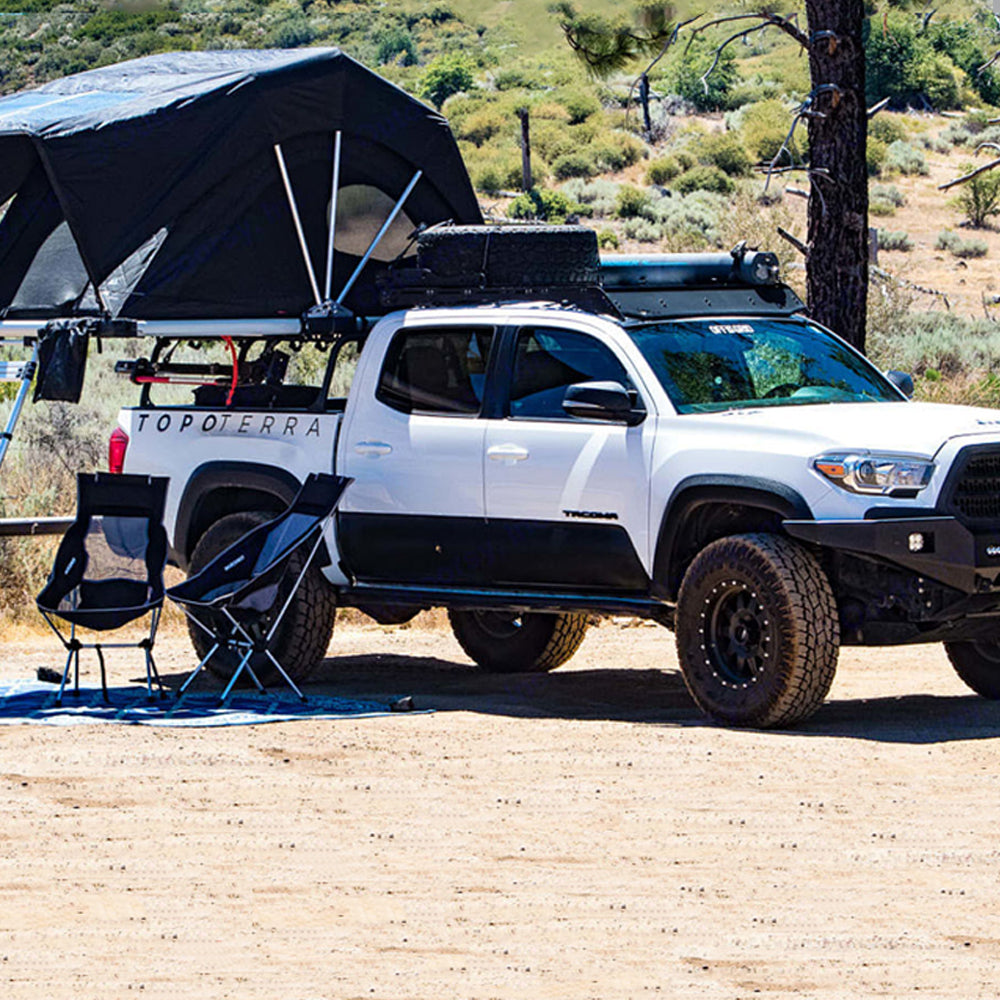


Do Headlight Covers Really Protect Your Lights? Pros, Cons and What to Know
Modern headlights look great, but they are also one of the most vulnerable and expensive parts of your vehicle. A cracked or heavily damaged headlight can cost hundreds or even thousands of dollars to replace, especially on newer utes and SUVs. That’s why more Aussie drivers are looking at headlight covers as a simple way to protect their investment.
But do headlight covers actually work, or are they just a cosmetic add-on? This guide breaks down what headlight covers really do, what they don’t do, and whether they’re worth fitting to your Toyota, Ford, Isuzu, Mitsubishi, GWM, or other popular vehicles on Australian roads.
Why Headlights Get Damaged So Easily
Most modern vehicles no longer use glass headlights. Instead, they use polycarbonate lenses, which are lighter and stronger in some ways, but far more vulnerable to surface damage.
Headlights take a constant beating from:
-
Stones and gravel flicked up at highway speeds
-
Bugs and insects splattering and baking onto the lens
-
Sand and grit acting like sandpaper over time
-
Strong Australian UV exposure causing yellowing and haze
Even small chips or cracks can allow moisture inside the headlight housing, leading to fogging, electrical issues, or complete failure. Once the lens is compromised, repairs are limited and replacement often becomes the only option.
What Headlight Covers Actually Do
Headlight covers act as a sacrificial layer that sits in front of the headlight lens. Instead of stones, debris, or bugs hitting the headlight directly, they take the impact first.
In real-world use, headlight covers:
-
Absorb or deflect small stone impacts
-
Reduce surface scratching and pitting
-
Protect against sandblasting on highways and gravel roads
-
Slow down UV-related fading and oxidation
-
Make cleaning bugs and grime easier
If a cover gets damaged, it’s far cheaper and easier to replace than an entire headlight assembly.
Key Benefits of Headlight Covers
Stone and Debris Protection
One of the biggest benefits of headlight covers is protection from stones and road debris. This is especially noticeable when driving behind trucks, on regional highways, or through roadworks. Even small stones hitting at speed can cause chips that spread over time.
Headlight covers help reduce this damage and keep the original lens intact for longer.
Cost Protection
Headlights on modern vehicles are expensive. Adaptive headlights, LED units, and integrated daytime running lights all drive replacement costs higher. Headlight covers are a relatively low-cost accessory that helps avoid a much bigger expense later.
For drivers who spend a lot of time on the road, this cost protection alone often makes headlight covers worthwhile.
UV and Sun Exposure Reduction
Australia’s sun is harsh, and polycarbonate headlights suffer over time. UV exposure causes yellowing, clouding, and reduced light output. Headlight covers add an extra layer that takes the UV exposure instead of the lens underneath, slowing the ageing process.
This is particularly useful for vehicles that are parked outdoors year-round.
Easier Cleaning and Maintenance
Anyone who has tried scrubbing dried insects off a headlight knows how frustrating it can be. Headlight covers make cleaning quicker and easier, as bugs and grime come off the cover without risking scratches to the headlight lens.
Maintaining Light Clarity
By protecting the surface from damage and oxidation, headlight covers help maintain clear light output over time. Clear headlights improve visibility, night driving safety, and overall appearance.
What Headlight Covers Don’t Do
Headlight covers are useful, but they are not a cure-all. Understanding their limits helps avoid disappointment.
-
They do not make headlights indestructible
-
They will not stop large impacts or heavy debris
-
They do not improve brightness or beam output
-
They do not reverse existing yellowing or damage
Once a headlight is already cloudy or cracked, restoration or replacement is still required. Headlight covers work best as a preventative measure.
Headlight Covers vs No Headlight Covers
With Headlight Covers
-
Headlights are shielded from small stones and debris
-
UV exposure is reduced
-
Bug splatter is easier to clean
-
Covers can be replaced cheaply if damaged
-
Front-end appearance stays cleaner for longer
Without Headlight Covers
-
Headlights take direct impact from stones and grit
-
Higher risk of cracking and surface pitting
-
UV damage builds up faster
-
Repairs or replacements become more likely
-
Visible wear appears sooner
For drivers who rack up kilometres or drive outside metro areas, the difference becomes obvious over time.
Types of Headlight Covers
Clear Polycarbonate Covers
Clear covers are the most popular option. They offer maximum light transmission with minimal visual change to the vehicle. When made properly, they do not distort the beam pattern and maintain factory lighting performance.
These are ideal for drivers who want protection without altering the look of their headlights.
Smoked or Tinted Covers
Smoked or lightly tinted covers offer the same physical protection with a subtle styling upgrade. They can complement darker trims, bonnet protectors, or bars, but it’s important to ensure visibility is not compromised.
Light tinting is generally fine, but overly dark covers can affect light output and may not be suitable for road use.
What to Look For When Buying Headlight Covers
Material Quality
Look for thick, impact-resistant polycarbonate with UV protection. Cheap materials can crack, yellow, or become brittle over time, especially under Australian sun exposure.
Optical Clarity
Good headlight covers should be optically clear, meaning they don’t distort the beam pattern or reduce visibility. Poor-quality covers can scatter light and affect night driving.
Vehicle-Specific Fit
Headlight covers should be designed for your specific vehicle. Tradies Choice stocks options suited to popular makes such as Toyota, Ford, Mitsubishi, Isuzu, Nissan, and GWM. A proper fit ensures the cover sits securely, aligns correctly, and doesn’t vibrate or move while driving.
Road Legality Considerations
Always consider visibility and compliance. Covers should not excessively darken the headlight or interfere with beam projection. Clear or lightly tinted designs are generally the safest choice.
Are Headlight Covers Worth It? By Driver Type
Highway and Regional Drivers
Yes. Frequent stone strikes, bugs, and debris make headlight covers a smart preventative upgrade.
4x4 and Touring Drivers
Definitely. Gravel roads, corrugations, and long-distance travel all increase headlight wear. Covers help protect against sandblasting and flying stones.
Tradies and Work Vehicles
Work sites often involve loose gravel, dust, and debris. Headlight covers help protect headlights on vehicles that see daily hard use.
City Drivers
Still worth considering. UV protection, easier cleaning, and long-term appearance benefits apply even in metro driving.
Why Buy Headlight Covers from Tradies Choice
Tradies Choice focuses on practical protection that works in real Australian conditions. Our headlight covers are selected with durability, clarity, and fitment in mind, so drivers get protection without compromising visibility.
You also get:
-
Tough materials built for Australian roads
-
Competitive pricing without the run-around
-
Model-specific designs for popular vehicles
-
Quick, straightforward support from two dedicated reps
-
Easy pairing with other front-end protection like bonnet protectors, nudge bars, and bull bars
If you’re already running a bonnet protector or bar setup, adding headlight covers helps complete your front-end protection and keeps everything looking cleaner for longer.
Quick Summary
Headlight covers do exactly what they’re meant to do. They protect your headlights from stones, debris, UV damage, and everyday wear. They won’t stop major impacts or improve light output, but they are a smart, low-cost way to reduce damage and extend the life of expensive headlight assemblies.
For highway drivers, tradies, tourers, and even city commuters, headlight covers are one of the simplest upgrades you can make to protect your vehicle and avoid costly repairs down the track.