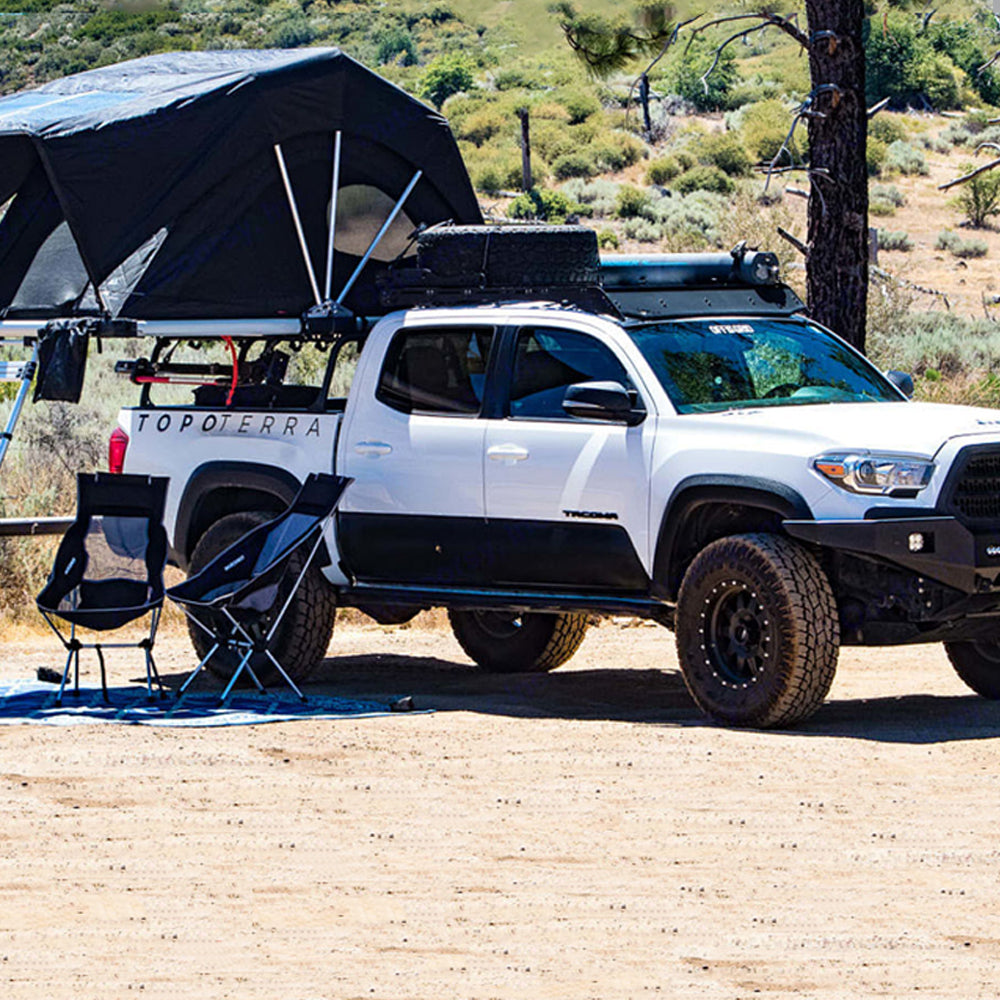


Do Bonnet Protectors Actually Work? Myths, Benefits and Real-World Use
Bonnet protectors are one of the most affordable and practical front-end accessories you can add to a ute or SUV, but there’s always the question: do they actually work, or are they mostly cosmetic? The truth is, bonnet protectors play a much bigger role in everyday driving than most people realise. From reducing stone chips to keeping the windscreen cleaner, they offer simple, effective protection without changing the look or function of your vehicle.
This guide walks you through what bonnet protectors actually do, what they don’t do, and whether they’re worth adding to your setup if you drive a Toyota Hilux, Ford Ranger, Mitsubishi Triton, Isuzu D-MAX, GWM Cannon or any of the other common models on Australian roads.
What a Bonnet Protector Does
A bonnet protector is mounted along the front edge of your bonnet to shield it from direct impact. This leading edge is the part that cops the most damage from stones, gravel, insects, debris, and general road wear. By creating a barrier in the highest-risk zone, it helps prevent paint chips, scratches, and early rust that can develop when exposed metal sits unprotected.
It’s important to note that a bonnet protector protects the edge of the bonnet, not the entire bonnet surface. Think of it as a shield for the section that takes the brunt of impact during day-to-day driving.
Key Benefits of Bonnet Protectors
1. Protection Against Stone Chips
Australia’s roads are full of loose gravel and small stones. Even on sealed highways, tyres can flick up sharp pieces of debris that target the bonnet’s front edge. A bonnet protector absorbs or deflects these impacts, preserving your paintwork and preventing the kind of small chips that can eventually lead to rust. For drivers who regularly travel behind trucks, on country roads, or along construction zones, this protection is especially noticeable.
2. Bug and Insect Deflection
On long highway drives, your bonnet edge and windscreen quickly get plastered with insects. A bonnet protector helps redirect airflow upward, reducing the number of insects hitting both the bonnet and the lower section of the windscreen. While it won’t eliminate all bugs, it definitely keeps your windscreen cleaner and makes long-distance driving more pleasant.
3. Shielding Against Road Debris
A bonnet protector helps defend against grit, dirt, sand, and small fragments thrown up by other vehicles. This is particularly useful on gravel highways, dirt roads, and job sites where debris is unavoidable. Even everyday city roads can throw unexpected hazards at your bonnet during peak traffic.
4. Aesthetic Benefits
A well-designed bonnet protector adds a clean, tough look to the front of your ute or SUV. Many come in tinted or dark finishes that match other accessories. They pair especially well with front-end components like nudge bars, bull bars, or headlight covers, completing a cohesive look across the vehicle's nose.
5. Added Resale Protection
When selling or trading in a vehicle, the bonnet is one of the first areas people notice. The front edge often shows obvious wear on unprotected vehicles. A bonnet protector keeps this section in better condition, meaning you’ll need less paint correction and polishing when it’s time to sell.
What Bonnet Protectors Don’t Do
To avoid unrealistic expectations, it’s worth understanding what bonnet protectors are not designed for.
-
They do not protect the entire bonnet surface.
-
They do not stop large impacts from rocks or flying debris.
-
They do not act as a replacement for paint protection film.
-
They do not make the vehicle more aerodynamic, despite the myths.
A bonnet protector is a practical accessory, but it’s not a forcefield. Think of it as targeted protection for the section that needs it most.
Bonnet Protectors vs No Bonnet Protector
A side-by-side comparison helps highlight the difference.
With a Bonnet Protector
-
The bonnet edge is shielded from chips and scratches.
-
The windscreen stays cleaner on long drives.
-
Paint stays intact for longer, reducing rust risk.
-
The front end looks cleaner and more finished.
-
You avoid extra wear caused by gravel and insects.
Without a Bonnet Protector
-
The bonnet edge is exposed to stone chips and grit.
-
Bugs hit the lower windscreen more frequently.
-
Rust can develop if chips penetrate paint.
-
Visible wear becomes obvious over time.
-
More detailing or paint repair is needed down the track.
For most drivers, especially those outside dense metro areas, the difference becomes noticeable within a few months.
Types of Bonnet Protectors
1. Acrylic Bonnet Protectors
These are the most common style, made from thick, durable acrylic that resists impacts and scratches. They often come in clear, tinted, or smoked finishes and blend easily with modern ute designs. Acrylic styles are popular because they’re tough, affordable, and model-specific.
2. Premium or Tailored Designs
Higher-end protectors are shaped more closely to the contours of the bonnet and use reinforced clips or fittings. They offer more consistent coverage and a more refined appearance. These suit drivers who want better aesthetics without sacrificing protection.
What to Look For When Buying a Bonnet Protector
1. Proper Fitment for Your Vehicle
Bonnet protectors are designed for specific makes and models, so accuracy matters. Tradies Choice offers protectors for popular vehicles such as Toyota, Ford, Mitsubishi, Isuzu, Nissan, and GWM. A properly matched protector ensures a tight, rattle-free fit and consistent coverage.
2. Material Quality
Look for thick acrylic that resists cracking, fading, and accidental knocks. UV resistance is essential for Australian heat and sun exposure. Cheap, thin materials are more likely to warp, discolor, or break.
3. Secure Mounting Design
Good bonnet protectors sit firmly against the bonnet edge with strong clips and fittings. A secure design should remain steady at highway speeds without rattling or shifting. Model-specific mounting systems usually provide the best stability and finish.
4. Effective Wind Deflection Shape
Many bonnet protectors are shaped to redirect airflow upward. This helps reduce bug splatter and deflect small debris that would otherwise hit the bonnet or lower windscreen. A well-designed lip shape offers both cosmetic and functional benefits.
Are Bonnet Protectors Worth It? (By Driver Type)
Highway Drivers
Yes. Bonnet protectors significantly reduce bug impact and stone chips during long-distance driving.
4x4 and Touring Drivers
Yes. They help protect against gravel spray, red dirt, sand, and harsh conditions common on off-road tracks.
Tradies and Work Vehicles
Yes. Heavy-use vehicles driving through work sites and rough roads often see rapid front-end wear. A bonnet protector keeps the bonnet edge intact.
City Drivers
Still worth it. Even metro drivers deal with roadworks, trucks dropping pebbles, and insect splatter on weekend trips.
Why Buy from Tradies Choice
Tradies Choice is all about making life easier for hardworking Aussies, and bonnet protectors are one of those simple upgrades that offer long-term value.
-
Tough, durable protectors suited to Australian roads
-
Competitive pricing without overcomplication
-
Model-specific designs that fit cleanly and securely
-
Quick support from two reps who provide straightforward answers
-
Wide compatibility across popular makes
Pairing a bonnet protector with other front-end protection accessories like headlight covers or nudge bars offers even more coverage and helps keep the front end looking fresh for longer.
Quick Summary
Bonnet protectors do exactly what they claim to do: shield the front edge of your bonnet from stone chips, bugs, and road debris. They’re affordable, effective, and useful for nearly every type of driver, from tradies to tourers to families. They won’t protect the whole bonnet or stop major impacts, but they will protect the section that wears fastest.
For a low-cost accessory that helps preserve your vehicle’s appearance and resale value, a bonnet protector is one of the smartest front-end upgrades you can make.